


As space has become more accessible an increasing number of universities, research institutes and NGOs are conducting scientific research in Earth orbit. Operating on tight budgets these organisations beg, borrow or fund-raise to obtain spare lift capacity on commercial rocket launches to get their research satellites into Earth orbit.
I can’t hear the Earth. I’m in the shadow.
-Yuri Gagarin
Communicating with these research satellites once they reach orbit is an issue. Nasa and Roscosmos have the resources to manage a network of ground stations to maintain constant communications with orbiting satellites on behalf of the U.S.A. and the Russian Federation as they pass over the horizon, universities and research institutes don’t.
Which is where the F/OSS community and the TinyGS project comes in.
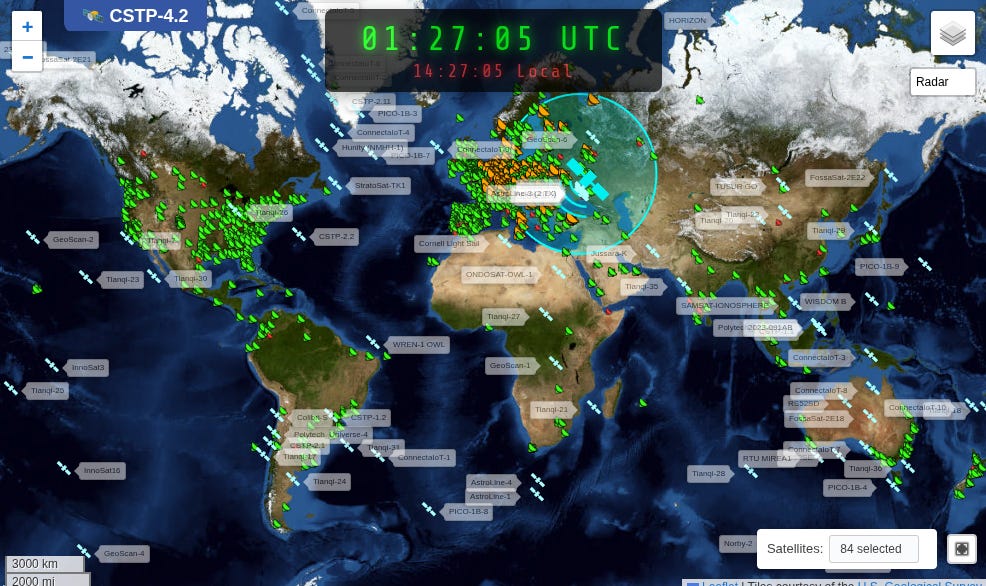
TinyGS is a distributed network of ground stations operated by private citizens. Ground Station Operators listen for satellite signals and relay them back to TinyGS across the Internet so the Satellite Operators can retrieve the research data. As I write this there are 2,105 ground stations operating around the globe, receiving signal from hundreds of vehicles in the upper atmosphere and in orbit.
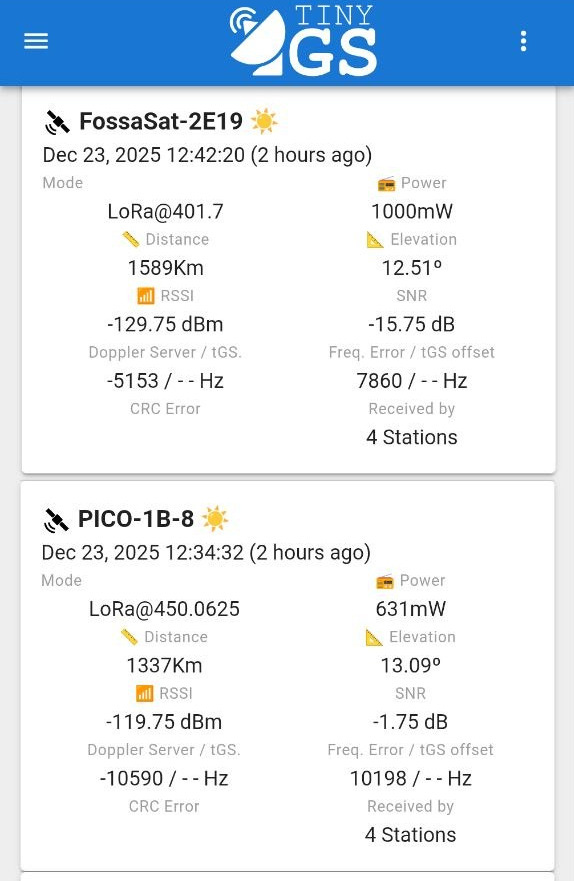
Operators don’t receive any sort of compensation for contributing to TinyGS, beyond the satisfaction of contributing to science and the nerdy thrill of watching the signals arrive in the console of our ground stations as satellites pass by overhead. (You can watch my ground station in operation here.)
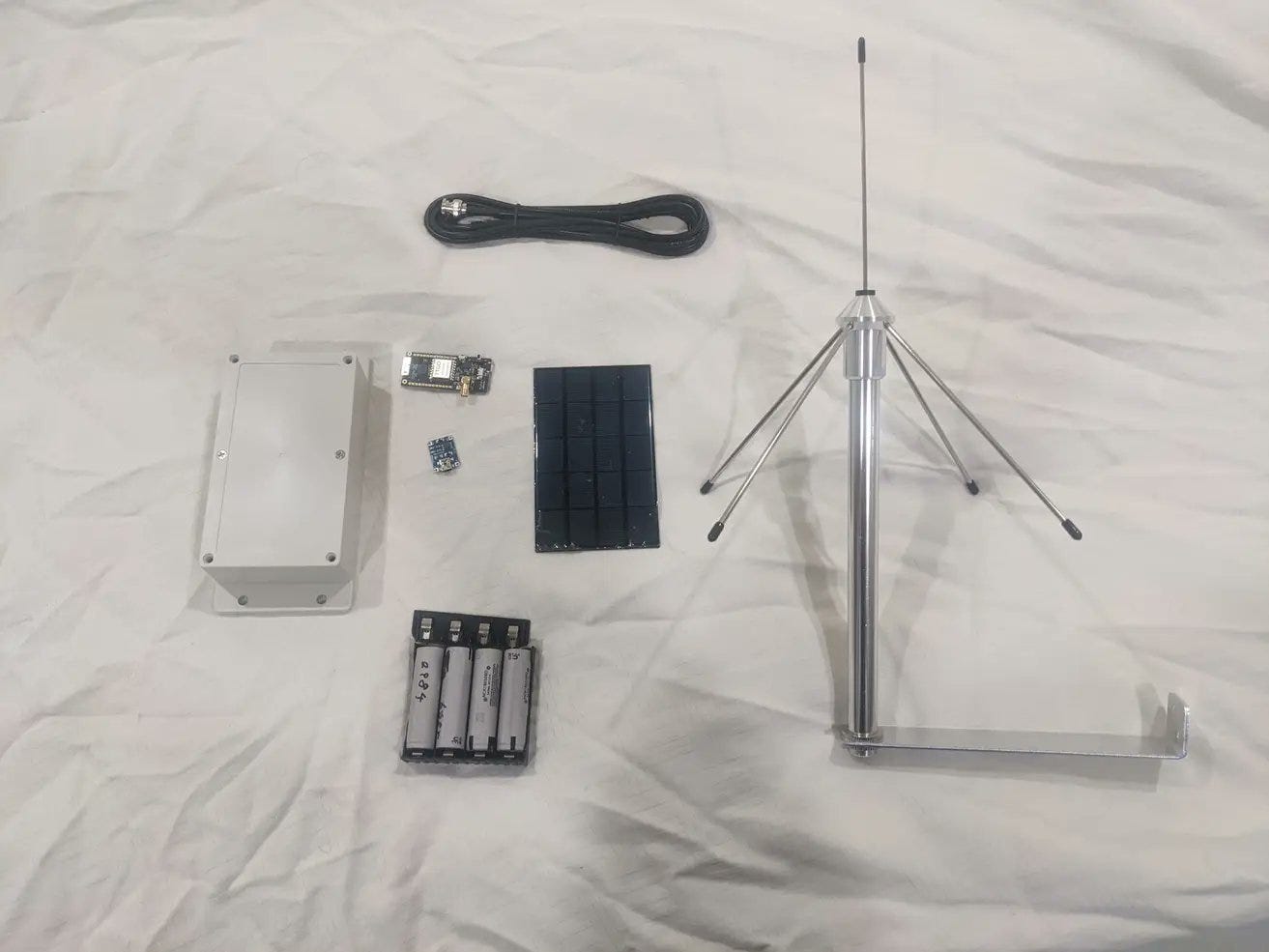
As contributions go it’s a small one that has a significant impact. A ground station consists of about $30 of materials, essentially just an antenna attached to a small circuit board. Here are the components I assembled to power one with solar and battery backup:
Most of which is superfluous for my latest SimonTV ground station because a power supply is readily available.
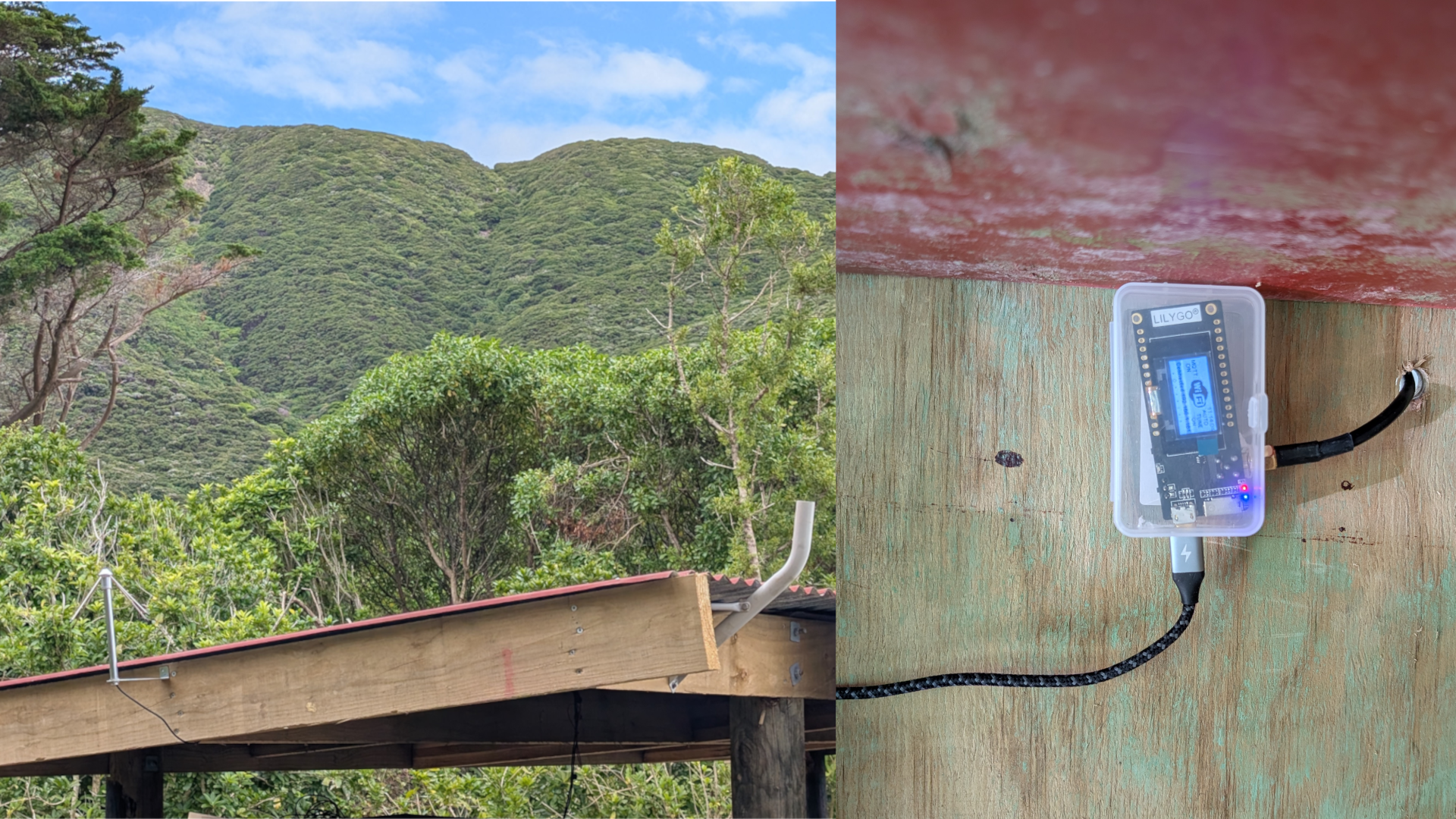
The barrier to participation in TinyGS is incredibly low: one of these inexpensive boards, an antenna, a couple of cables and an Internet connection is all that’s required to participate. I suspect many operators are schools, introducing children to space with a fun science project that I can attest as an adult, provides endless entertainment.
And the satisfaction of knowing you’re contributing to scientific research that would struggle to occur without the contributions of you and others like you.
-SRA. Arapawa Island, 23/xii 2025.