


In my previous article I introduced you to Meshtastic, the off-grid transport protocol which provides a messaging capability independent of telecommunications infrastructure, and explained how that might come in useful.
In this article I’m going to move up from the transport layer to the application layer, describing the Android Tactical Assault Kit (ATAK) situational awareness software.
Which is as frightening as it sounds.
ATAK is battlefield software designed by the U.S. military, used by them and allied services in other countries, including the British S.A.S.. Its purpose is Command & Control, providing real-time information to tactical units on the ground within the overarching strategic framework. The communication is two-way, with the members of the tactical units in contested environments sharing information about their immediate vicinity through Cursor-on-Target (CoT) updates alongside messaging, audio and video, the latter supporting UAVs.
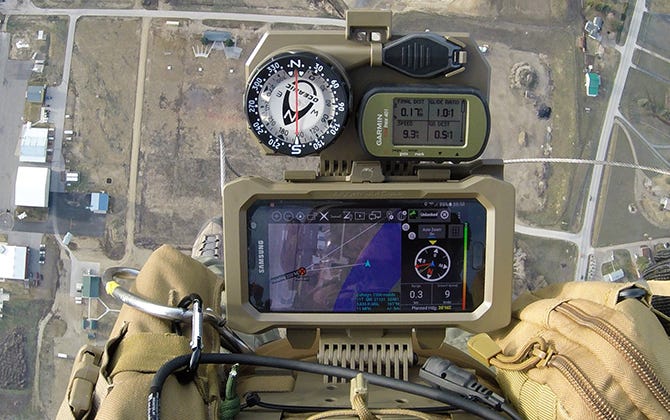
Command & Control is provided by a TAK Server component which handles the synchronisation and integrations to create a Common Operating Picture (COP) for the tactical units. At scale, it’s how a country would go about coordinating a full-scale military invasion.
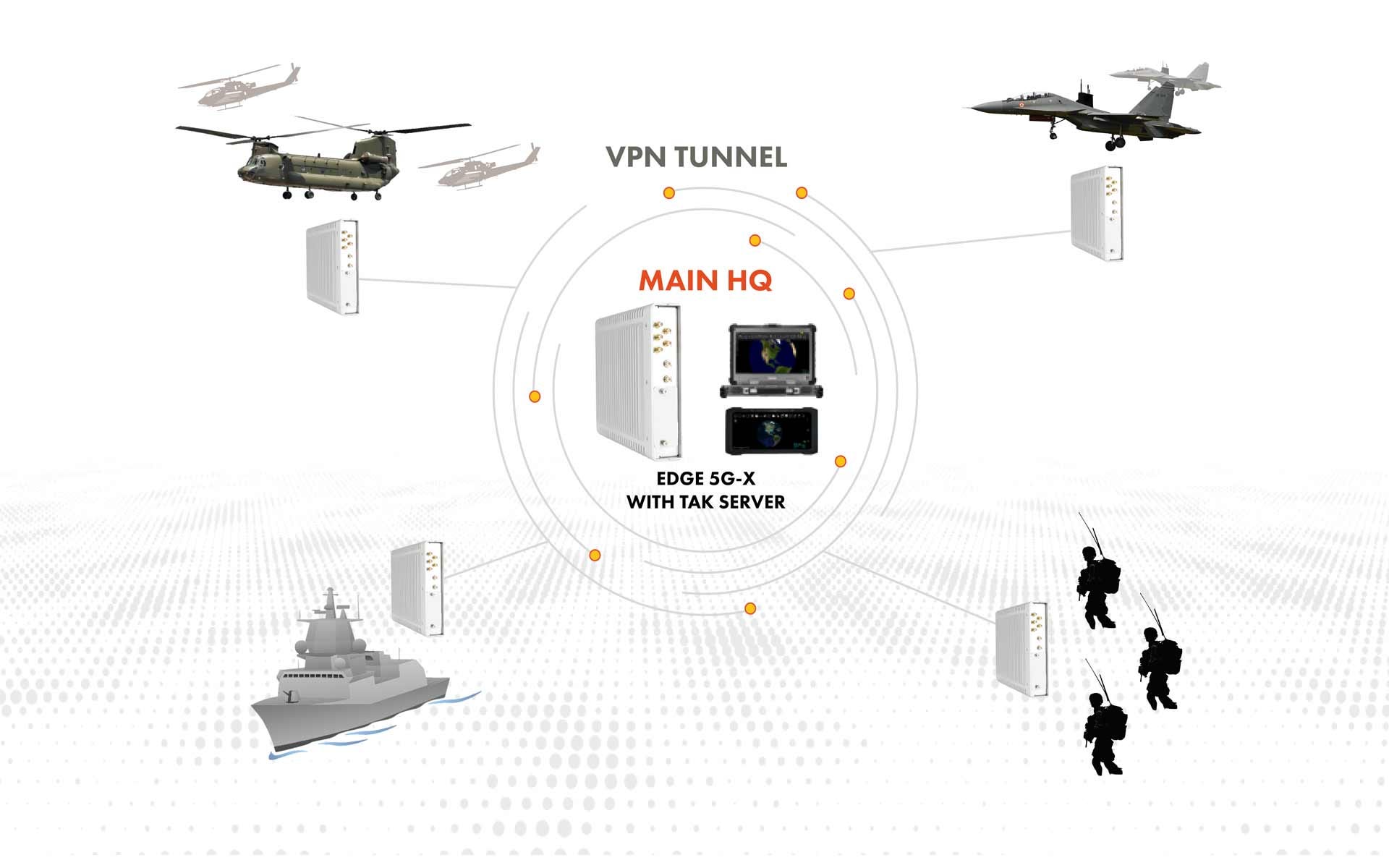
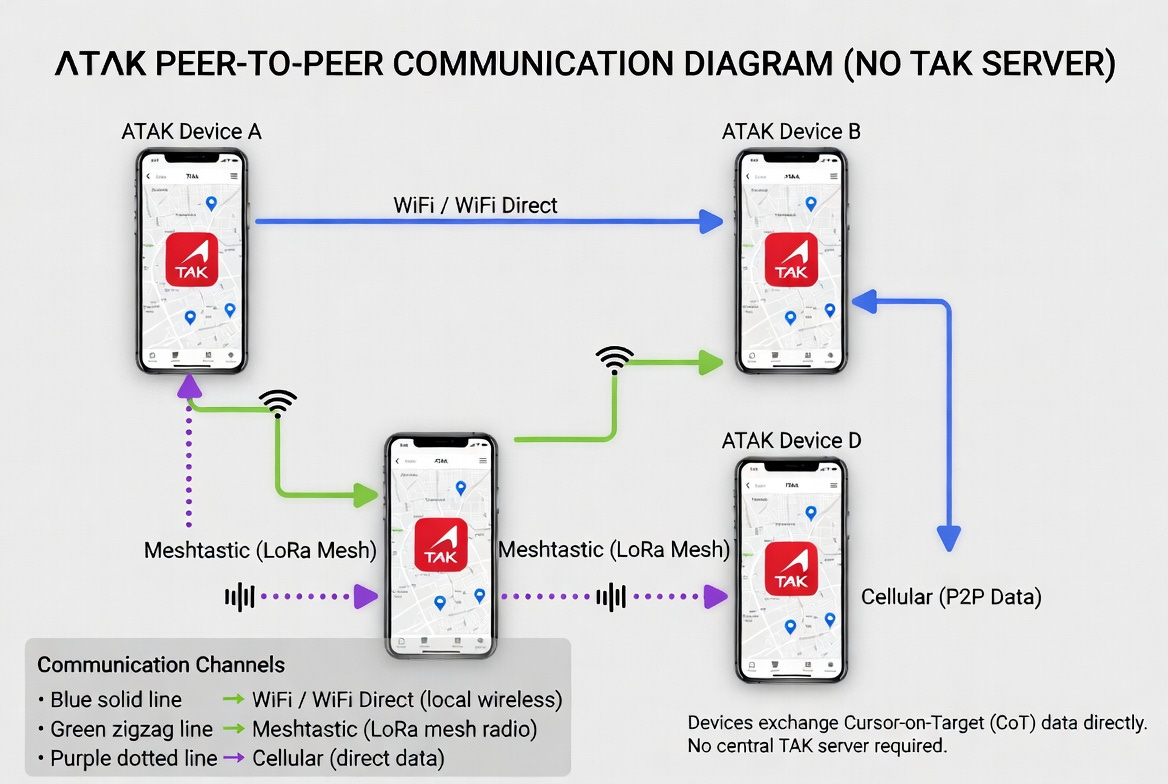
The TAK Server has a client/server architecture. An important point: ATAK devices operate peer-to-peer and are designed in the first instance to do so. While they can integrate with a TAK Server they’re perfectly capable of operating without it.
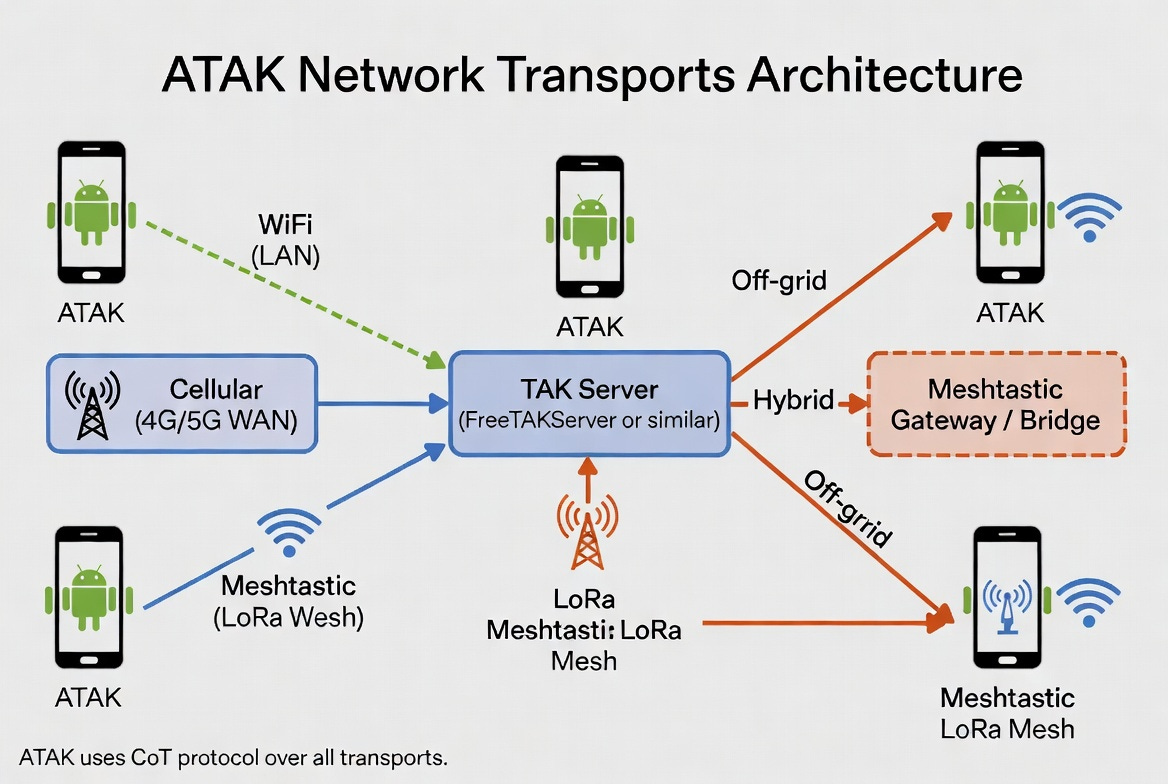
ATAK devices are designed to communicate with other members of the tactical unit utilising any transport mechanism available, especially where access to telecommunications infrastructure is limited such as within a contested environment. This is where Meshtastic comes in, providing an alternative peer-to-peer communications layer.
So what are the civilian applications? I hear you ask.
There are several variations of the ATAK application with the military and government versions restricted to authorised personnel. The civilian version, ATAK-CIV, was open-sourced by the U.S. Department of Defence in 2020, accepting contributions to mainline from the community and importantly, enabling the development of third-party plugins such as Meshtastic.
ATAK-CIV is broadly deployed for First Response, Search & Rescue and Humanitarian Aid delivery by governments and NGOs, even wildlife surveys and field research. How might private citizens utilise it?
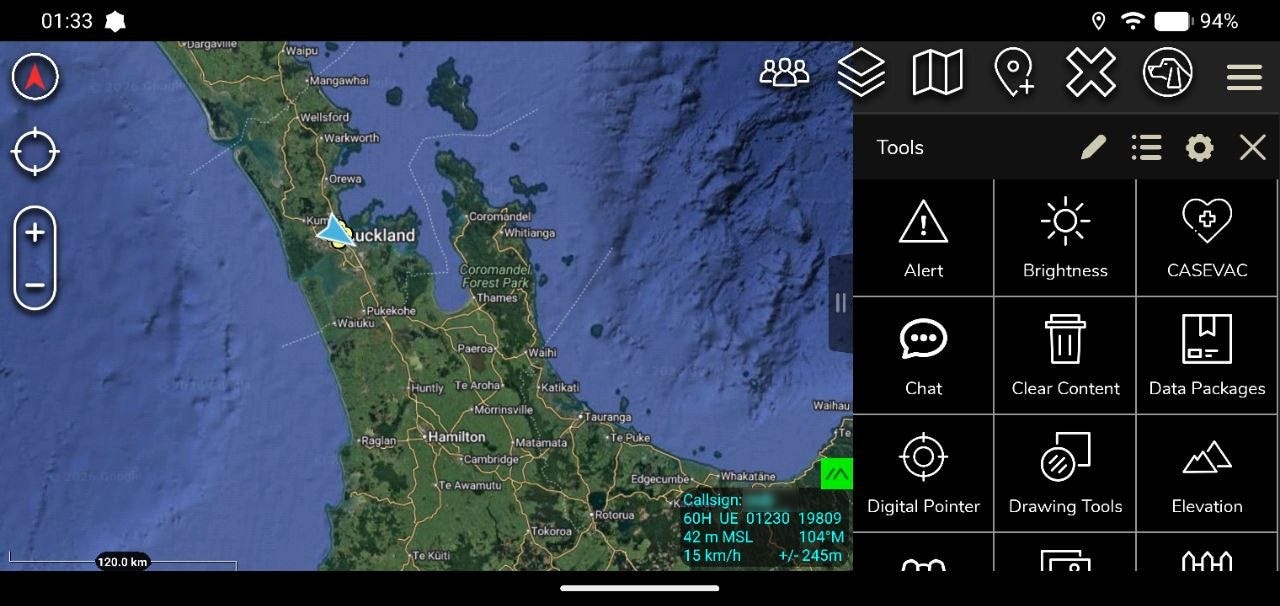
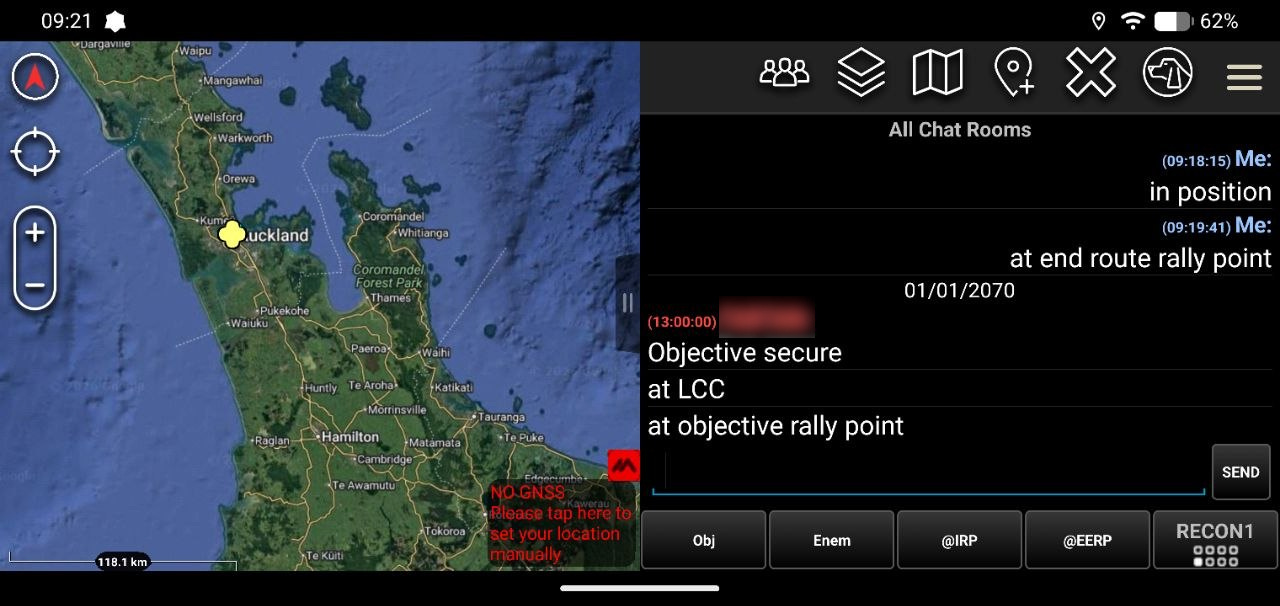
Hunting is a useful hypothetical. Imagine you and your mates have separated to stalk a deer. ATAK allows you to communicate with the other hunters and track their locations.
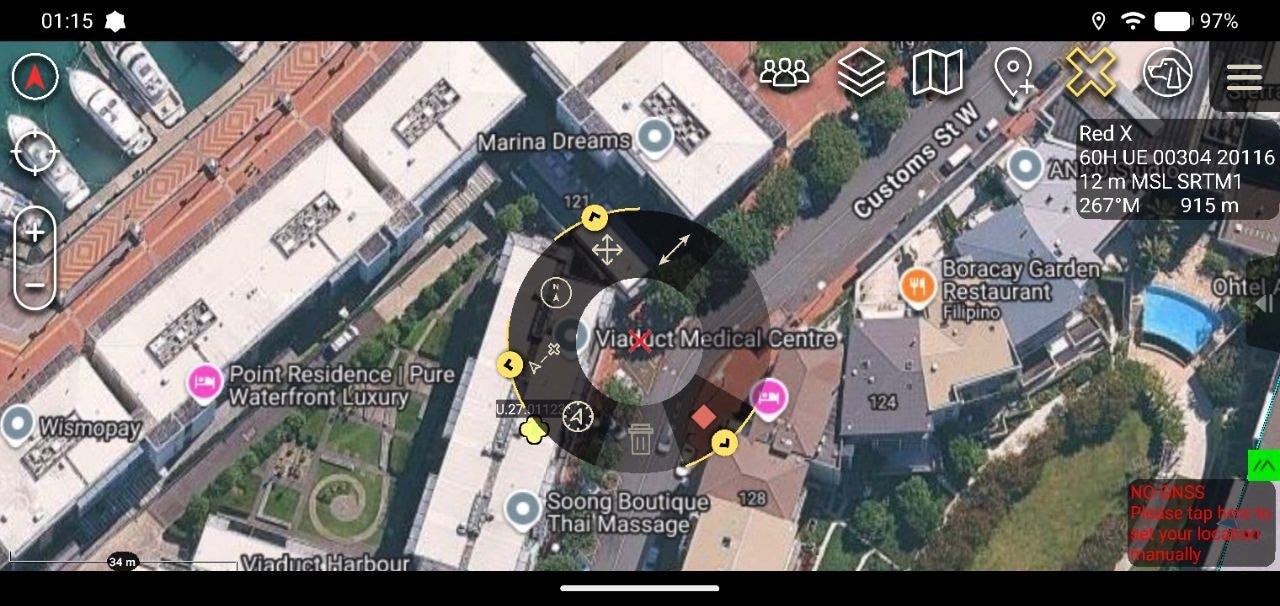
One of the hunters spots the deer so he drops a cursor on the map at the deer’s location showing its direction and estimated speed.
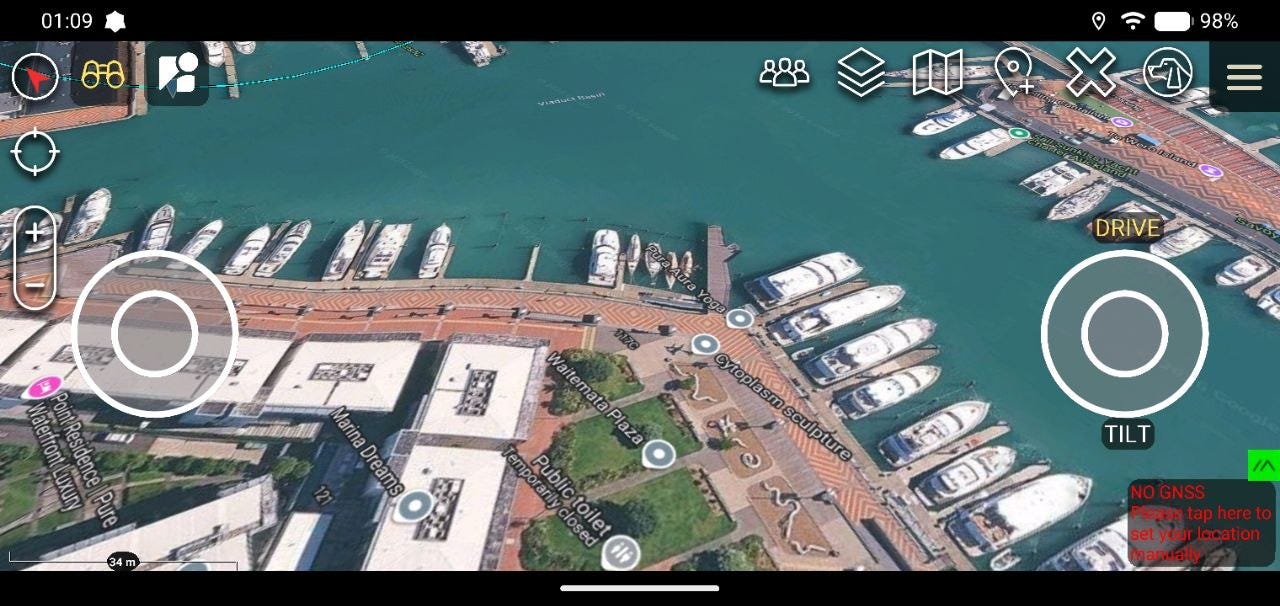
One of the hunters sends up a drone. You switch to first person view, integrating the drone footage as a real time overlay.
And you’re on your way. The team is coordinating its activities, no-one gets accidentally shot and Mr. Deer is about to have a bad day.
There are of course, other situations where awareness software would prove useful, I leave those to your imagination. A tool which pulls in relevant real-time information from a plethora of sources to present to you a tactical view, and enabling communication with others to accomplishment a shared objective has many applications.
-SRA. Auckland, 27/iii 2026.
This is Part II. In Part I I described off-grid communications with Meshtastic
I'm writing this during a brief rest from digging the underground bunker in my backyard ... seriously, I'm quite enjoying these types of articles. Cheers